Book signing · November 19 · New York City
Dr. AveryNeal
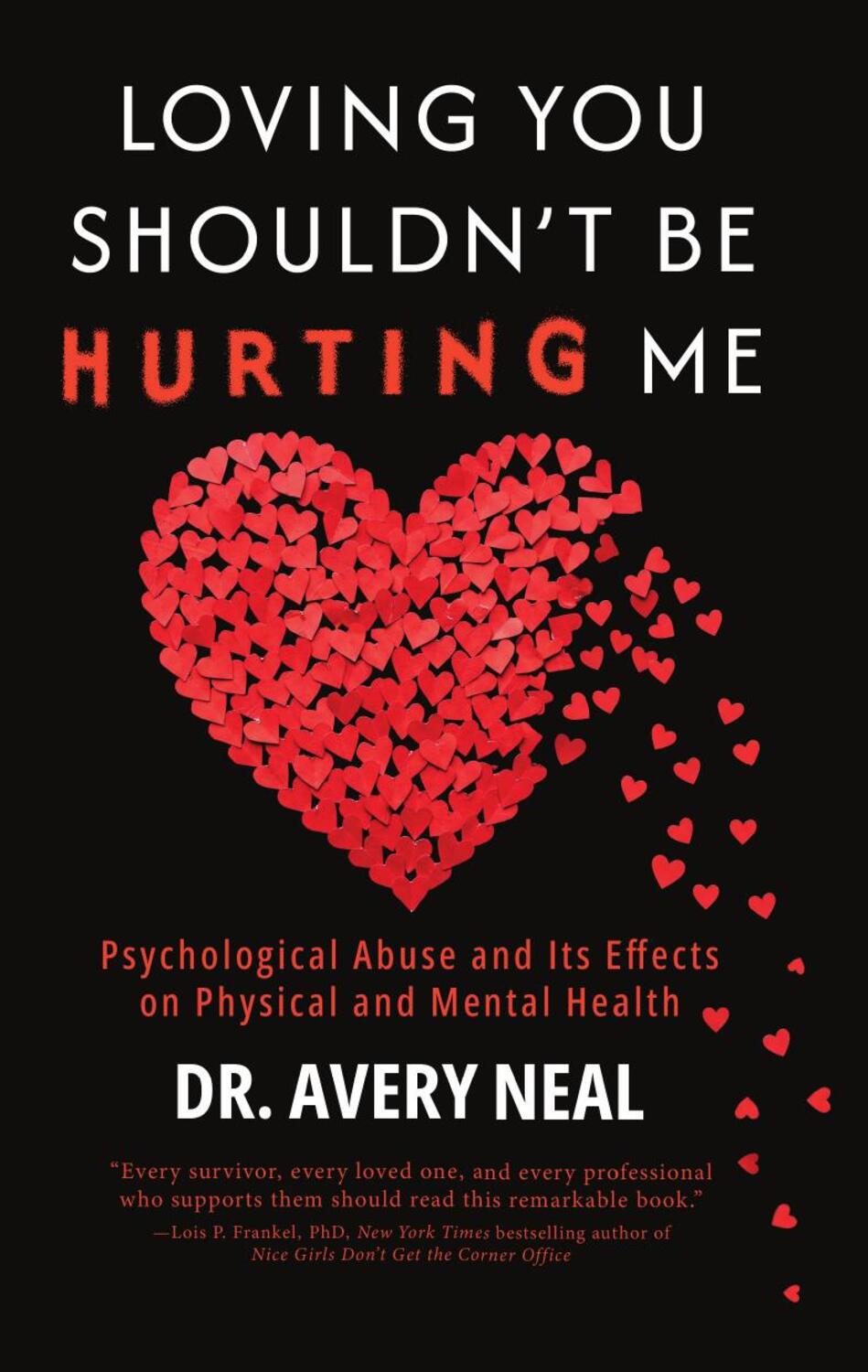
Her new book, Loving You Shouldn’t Be Hurting Me

Affirmation Arts
You are warmly invited
Loving You Shouldn’t Be Hurting Me
Psychological Abuse and Its Effects on Physical and Mental Health
A groundbreaking investigation offering a definitive plan for recognizing and overcoming intimate partner violence and the breadth of its impact.
From international author, researcher and psychotherapist Dr. Avery Neal.
Foreword by Dr. Alex Howard
Book signing to follow
Please join us
19
November
Located at Affirmation Arts, in collaboration with Kate Gorney.
An evening with author and psychotherapist Dr. Avery Neal, in celebration of her new book.
We invite you to gather in support of her new book and the profoundly important subject it brings into the light.
The evening
Doors open at 6 PM
Dr. Neal speaks at 7 PM
Book signing follows
In readers’ words
“Until recently, I was completely in denial of my abusive relationship. Every relationship has its unique markers and characteristics, and sadly many books on abuse seem to only categorize. This one helped me name what was happening.”
“This book gave me the language I needed to understand my experience. I only wish I had found it sooner.”
“Dr. Neal writes with the perfect balance of clinical insight and genuine compassion. For the first time, I did not feel alone in what I was going through.”
“I have recommended this book to every friend who has ever questioned their relationship. It is clear, validating, and genuinely life-changing.”
About the author
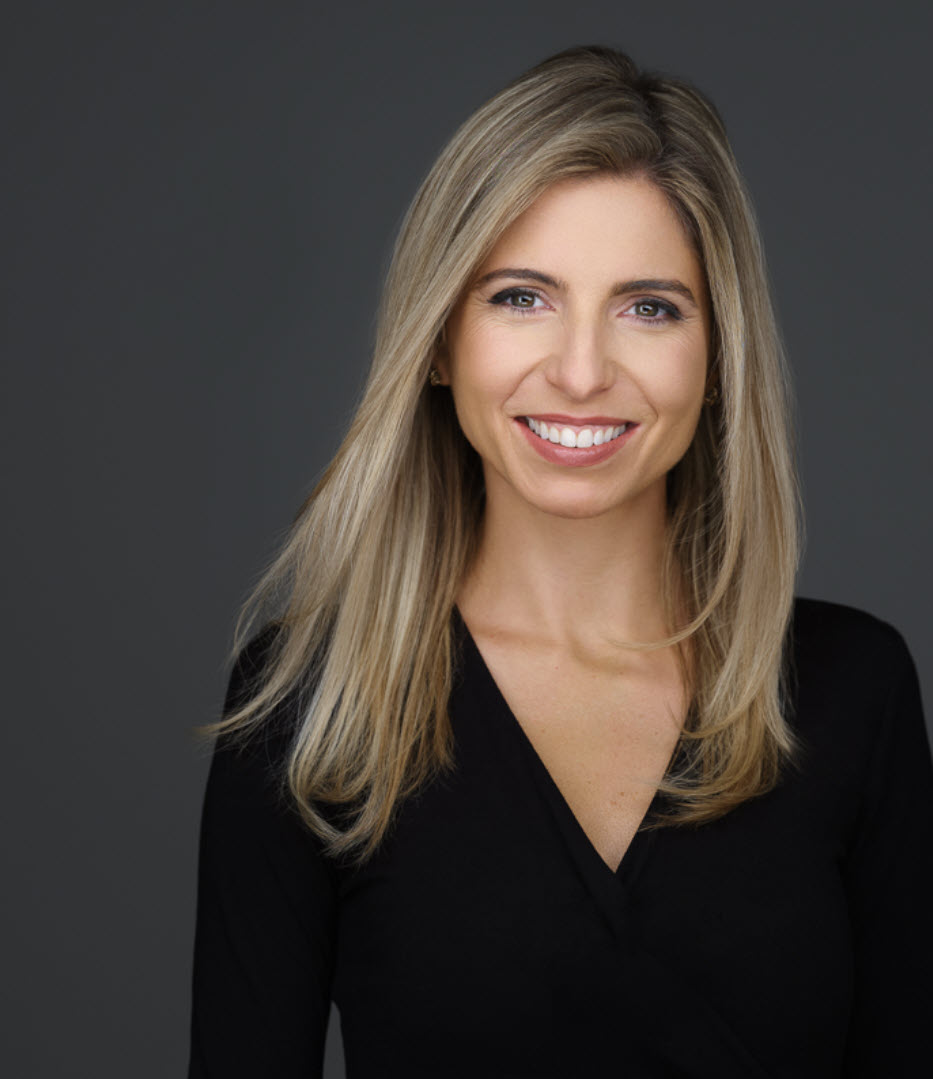
Dr. Avery Neal
Internationally published author, researcher and psychotherapist
Her new book offers language, clarity and a path forward for those navigating psychological abuse—and for the people who support them.
Dr. Avery Neal is an internationally published author, researcher, and psychotherapist.
Her first book, If He’s So Great, Why Do I Feel So Bad?, gave readers the language to recognize subtle abuse and has been published in twelve languages. More than 20,000 people worldwide have taken her courses, which are also used by clinicians, universities, and organizations. Her writing and interviews have appeared on Oprah.com and in Counseling Today and Best Self Magazine, and she has spoken at conferences alongside some of the world’s leading experts in psychology.
Her second book, Loving You Shouldn’t Be Hurting Me, deepens that work. Drawing on current research and findings from her clinical practice, it examines how psychological abuse harms the nervous system, the body, and the mind. It also introduces the Neal Method and her CLEAR framework for recovery.
Her work now extends beyond individual clinical practice to address psychological abuse across the broader healthcare system. Dr. Neal is advancing the clinical and medical recognition of psychological abuse, a form of harm that remains largely unassessed and unidentified in healthcare settings. She has developed assessment and identification tools where none previously existed and is building the practical resources frontline clinicians need to recognize psychological abuse in their patients.
Through partnerships with hospitals, health systems, and health plans, she is bringing her psychoeducational programs directly to patients so that recognizing psychological abuse and supporting recovery become part of care.
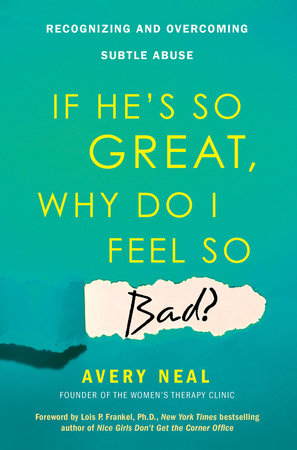
Her first book
If He’s So Great, Why Do I Feel So Bad?
Recognizing and Overcoming Subtle Abuse · translated into twelve languages
Advance praise
For Loving You Shouldn’t Be Hurting Me
“Dr. Avery Neal’s book perfectly and comprehensively sheds light on the pain and suffering that all too frequently happens in the shadows behind closed doors. Those immersed in the torture of emotional abuse, and the survivors, know all too well how isolation takes hold as torment is normalized and the truth gets swept under the rug. Illuminating the realities of our shadowed parts, her book is a beacon of hope and a textbook of awareness.
“I am certain that this book will cause major benefit in our world that lacks serious understanding of the fullness and pervasiveness of this epidemic.
“I wish I had had this book many years ago to guide me through the fog. Loving You Shouldn’t Be Hurting Me is like water in the desert for those of us who have been hiding in plain sight and journeying parched.”
Kate Gorney
The research
Psychological abuse is a global health crisis.
Psychological abuse is the most common form of intimate partner violence.
Half of Americans report experiencing psychological abuse by a partner during their lifetime.
57.6 million
women in the U.S. have experienced psychological aggression by an intimate partner.
1 in 3
women, roughly 840 million globally, have experienced partner or sexual violence in their lifetime.
The effects of psychological abuse are just as detrimental as the effects of physical abuse.
What the book brings
A definitive plan for recognizing psychological abuse and overcoming its impact on physical and mental health—from the dynamics of a controlling relationship to the harm it leaves in the body and nervous system, and a clear path to healing the mind, body and spirit.
An invitation to dialogue
An evening of learning and discussion.
Education, awareness, and advocacy — the heart of the evening.
Education
naming what has gone unnamedThe research on psychological abuse and coercive control — how it harms the nervous system, the body, and the mind, and what the path to recovery asks of us.
Awareness
seeing what hides in plain sightWhy psychological abuse so often remains unrecognized — in relationships, in clinical settings, and in the culture around us — and why recognition is the first step toward change.
Advocacy
carrying the conversation forwardHow recognition of psychological abuse is moving into hospitals, health systems, and communities — and the part each of us can play in bringing it into the light.
Join us for an evening of shared discovery.